Introduction to Heavy-Duty Potato Peeling Machines
In the realm of food processing, particularly within the category of root vegetables, heavy-duty potato peeling machines have become essential. These machines not only enhance efficiency but also significantly improve the quality of the final product.
Types of Potato Peeling Machines
There are several types of potato peeling machines available on the market, catering to different scales of operation, from small-scale operations to large commercial setups. Among them, industrial peelers and Compact Peelers stand out for their designated functionalities.
Industrial Peelers
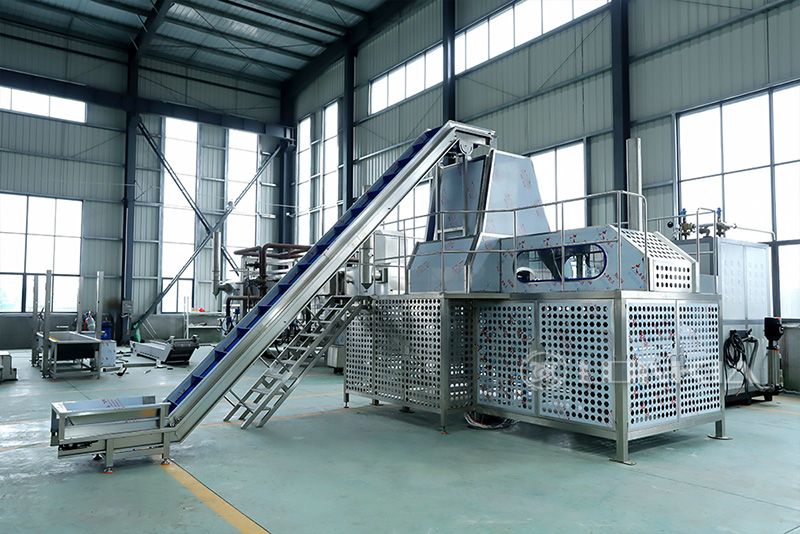
Industrial peelers are designed to handle high volumes of potatoes efficiently, making them suitable for large processing plants. These machines employ advanced technology to ensure uniform peeling while minimizing waste. They often feature stainless steel construction, which guarantees durability and hygiene during food processing.
Compact Peelers
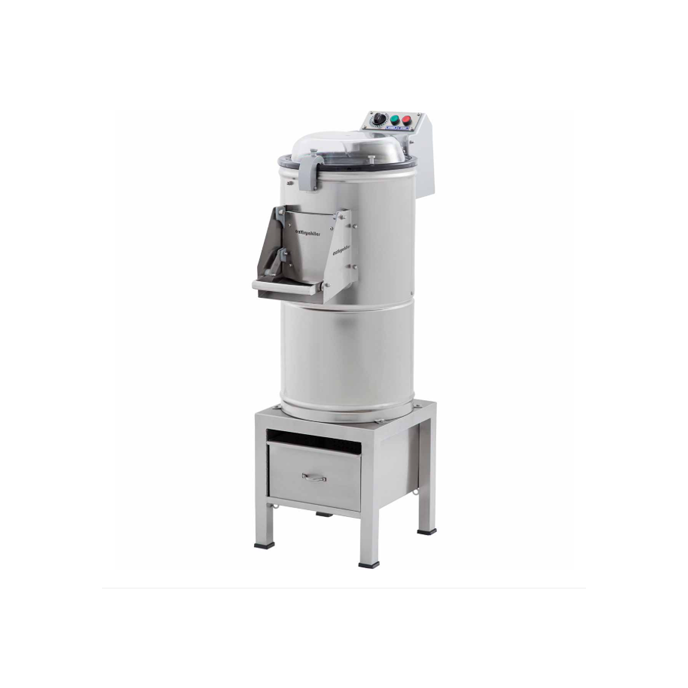
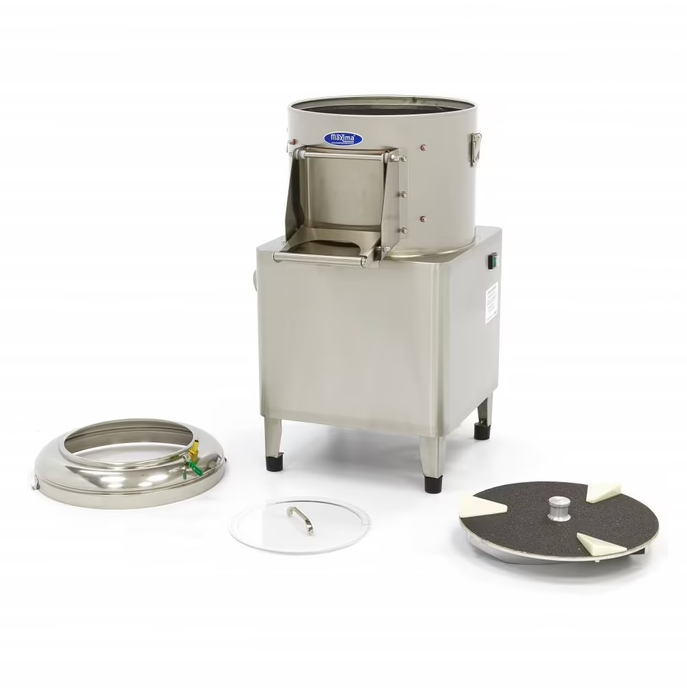
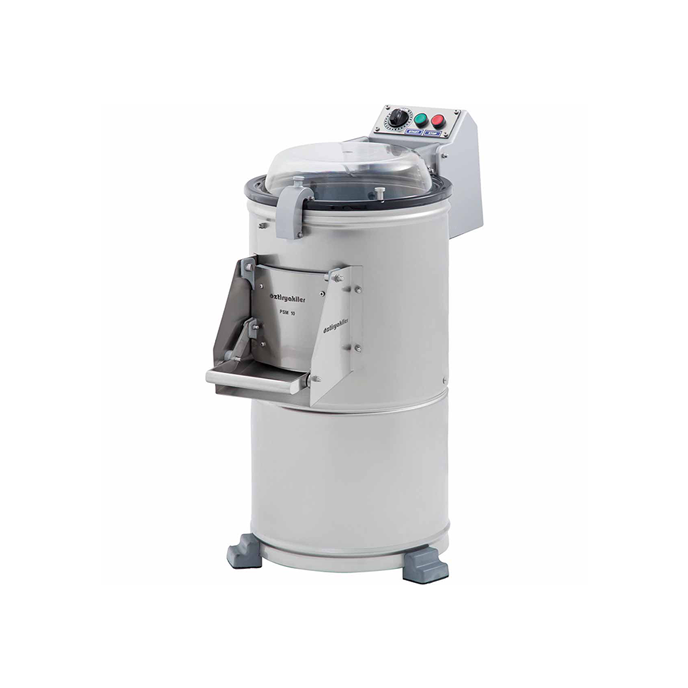
On the other hand, Compact Peelers serve smaller businesses or those with limited space. Despite their size, they maintain a high level of performance, allowing operators to process potatoes quickly and effectively. Many compact models are equipped with user-friendly controls, making them ideal for varying skill levels in food preparation.
Key Features of Reliable Peeling Machines
When selecting a potato peeling machine, several features should be considered to ensure reliability and efficiency:
- Durability: A robust design is crucial for machines that encounter high workloads.
- Efficiency: The ability to process a significant amount of potatoes within a short timeframe is vital for maintaining productivity.
- Ease of Cleaning: Hygiene standards in food processing necessitate equipment that can be easily cleaned and maintained.
- Versatility: Some machines can peel various root vegetables, enhancing their utility.
Potato Washing and Cutting Integration
In many cases, potato peeling machines are integrated into complete processing lines. This integration often includes potato washing machines and potato cutting machines. Such systems provide a streamlined approach to processing, ensuring that potatoes are thoroughly washed before entering the peeling stage, and subsequently cut to the desired specifications.
The Role of Technology
Modern potato peeling machines leverage technology such as automated controls and sensors. These innovations help monitor the peeling process, adjusting parameters in real-time to enhance efficiency and reduce waste. In addition, some machines utilize abrasive peeling methods, which not only speed up the process but also improve the overall quality of peeled potatoes.
Operational Considerations
Employing heavy-duty potato peeling machines demands understanding operational requirements, such as power supply, water usage, and maintenance schedules. Regular maintenance is key to prolonging the lifespan of these machines and ensuring they operate at optimal efficiency.
Energy Efficiency
With rising energy costs, many manufacturers have begun to prioritize energy-efficient designs in their peeling machines. By reducing energy consumption during operation, businesses can lower their overall operating costs while contributing to sustainable practices in the food processing industry.
User Training and Support
Training personnel to operate potato peeling machines correctly is crucial. Proper training ensures not only safety but also enhances the effectiveness of the peeling process. Furthermore, reliable customer support from manufacturers can assist in resolving any operational issues that may arise post-purchase.
Conclusion
Selecting the right heavy-duty potato peeling machine is pivotal for businesses involved in food processing, particularly when it comes to root vegetables. With options ranging from industrial to compact peelers, and the integration with washing and cutting machines, processors can achieve high efficiency and quality in their production lines.