The Importance of Fully Automated Complete Processing Lines
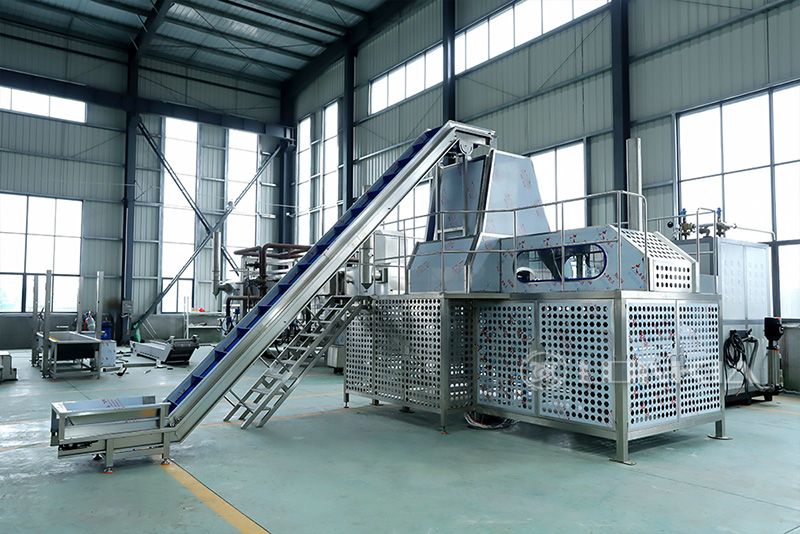
In today’s fast-paced food industry, efficiency and precision are paramount. When it comes to potato processing, having a fully automated complete processing line that encompasses washing, peeling, and cutting can significantly enhance productivity. These lines not only streamline operations but also ensure consistency in product quality.
What is a Complete Processing Line?
A complete processing line refers to a set of interconnected machines designed for the entire sequence involved in preparing potatoes for sale or further processing. From the initial washing stage to the final cutting, these lines are engineered to handle large volumes effectively. Here’s a breakdown of the components:
- Potato Washing Machines
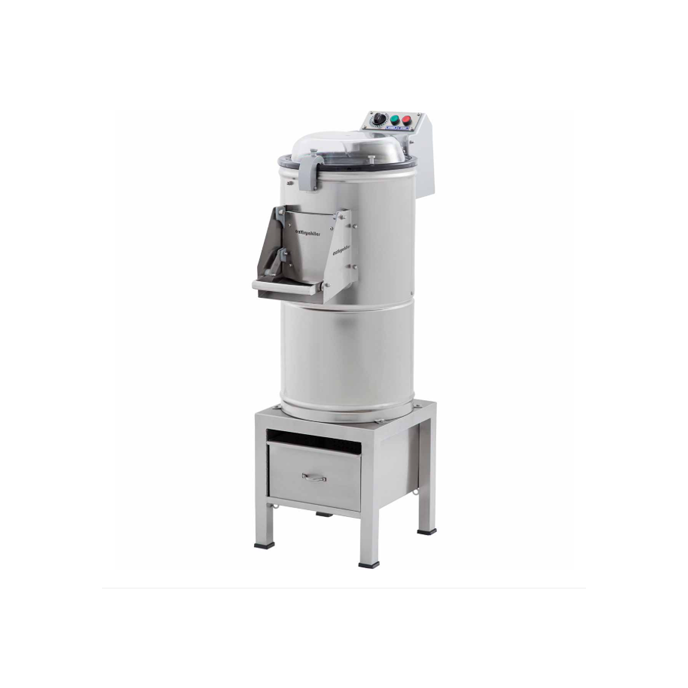
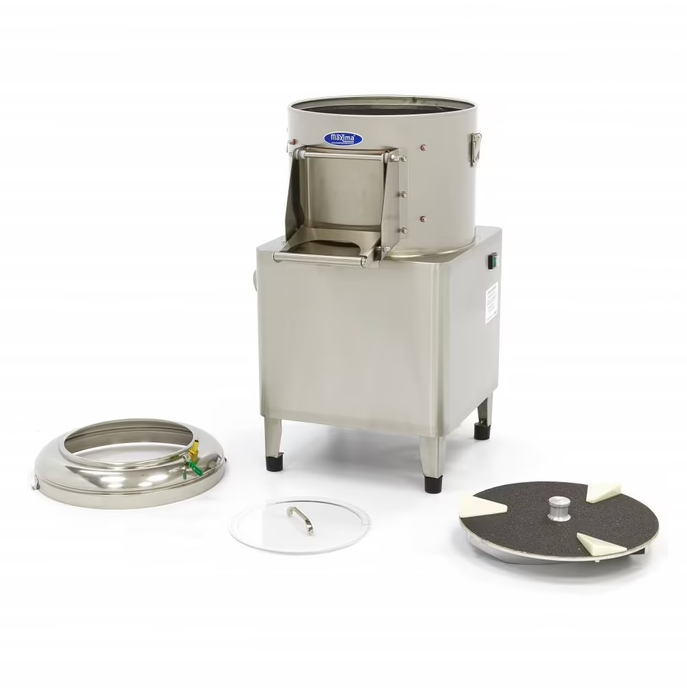
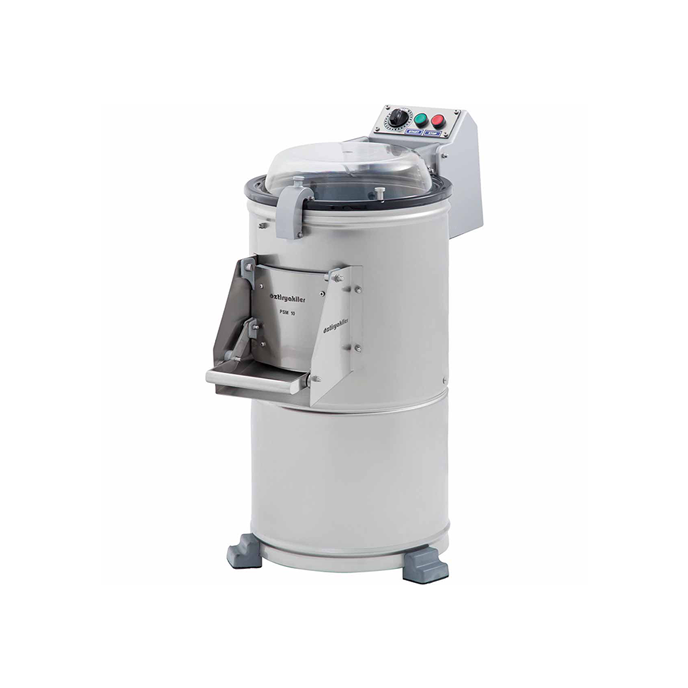
- Industrial Peelers
- Potato Cutting Machines
Efficiency Through Automation
Automated systems can drastically reduce labor costs while increasing output. With innovations in technology, manufacturers have developed Compact Peelers and advanced washing machines that work together seamlessly. For instance, an industrial peeler equipped with state-of-the-art sensors can adjust its operations based on the size and condition of the potatoes being processed.
In my experience, implementing these technologies has allowed companies to minimize waste, as they require less manual intervention to operate correctly. A well-designed complete processing line can work continuously, ensuring that production never lags behind demand.
Benefits of Washing and Peeling
The washing stage is critical for removing soil, dirt, and any residual pesticides from the potatoes. It’s often underestimated how essential this step is for food safety. Following washing, using Commercial Peelers helps maintain the nutritional value by minimizing surface contamination and preserving the quality of the tuber.
- Health & Safety: Proper washing reduces health risks.
- Quality Control: Peeling machines ensure uniformity in appearance, which is vital for market acceptance.
Precision Cutting for Maximum Yield
Once washed and peeled, the next step in the processing line involves cutting. Potato cutting machines come in various forms, enabling businesses to produce a range of products, from wedges to French fries. The precision in cutting not only maximizes yield but also enhances cooking times and flavor absorption.
Interestingly, I have found that investing in high-quality potato cutting machines pays off in the long run. They minimize waste and improve the overall quality of the finished product. Plus, customers appreciate consistency in cut sizes, which translates to better cooking results.
Integrating Technology into Processing Lines
The integration of technology in complete processing lines cannot be overlooked. With the advent of smart machinery, operators can monitor each stage of the process in real-time. This level of oversight allows for immediate adjustments if there’s a deviation in quality or speed. Moreover, data collection provides insights into operational efficiencies that can be exploited for continuous improvement.
For example, some processing lines now include automated feedback loops that trigger adjustments in the washing duration based on the detected level of dirtiness. This ensures that each batch receives appropriate treatment without excessive water usage or wear on the machines.
Case Study: Successful Implementation
Take for instance a medium-sized potato processing company that recently transitioned to a fully automated processing line. Initially, their operation relied heavily on manual labor, leading to inconsistency in product quality and elevated labor costs. After installing a complete processing line with integrated washing, peeling, and cutting machines, they reported a 30% increase in throughput within the first quarter.
The operator noted that the efficiency of the new equipment allowed them to focus on quality control rather than just managing labor. Additionally, the reduction in waste led to significant cost savings, proving that automation in food processing isn’t merely a trend; it’s a necessity for competitive success.
Conclusion: The Future of Potato Processing
The trend towards fully automated complete processing lines is clear. As the demand for high-quality potato products continues to rise, so does the necessity for efficient processing solutions. Whether you’re considering upgrading your existing operations or starting fresh, incorporating advanced potato washing machines, industrial peelers, and cutting machines into your processing line will undeniably position your business for greater success.