Introduction to Large-Capacity Commercial Potato Washing Machines
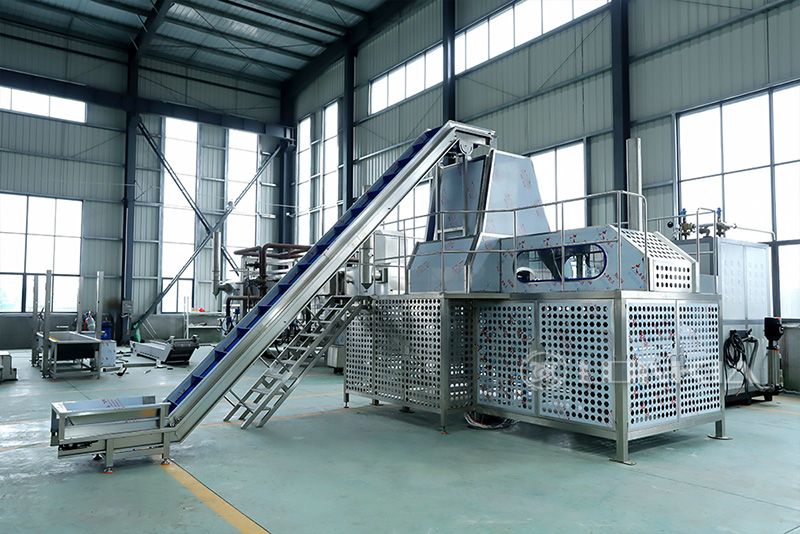
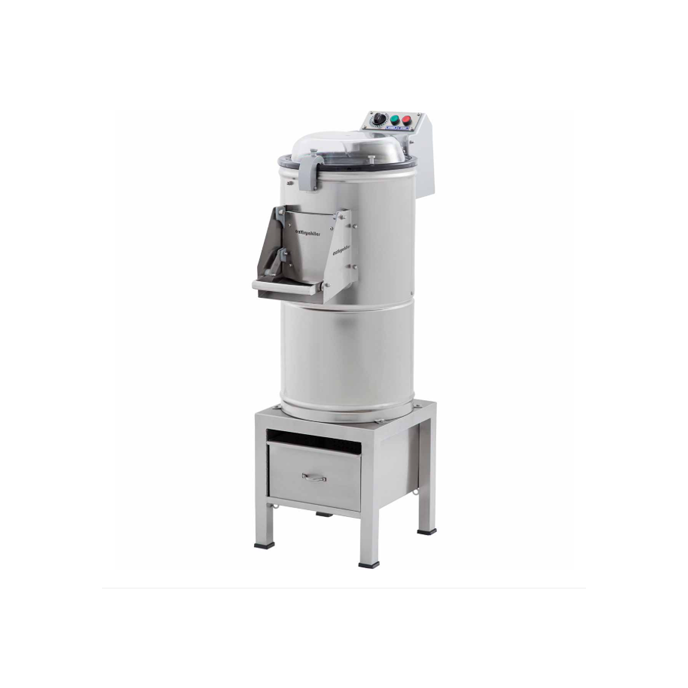
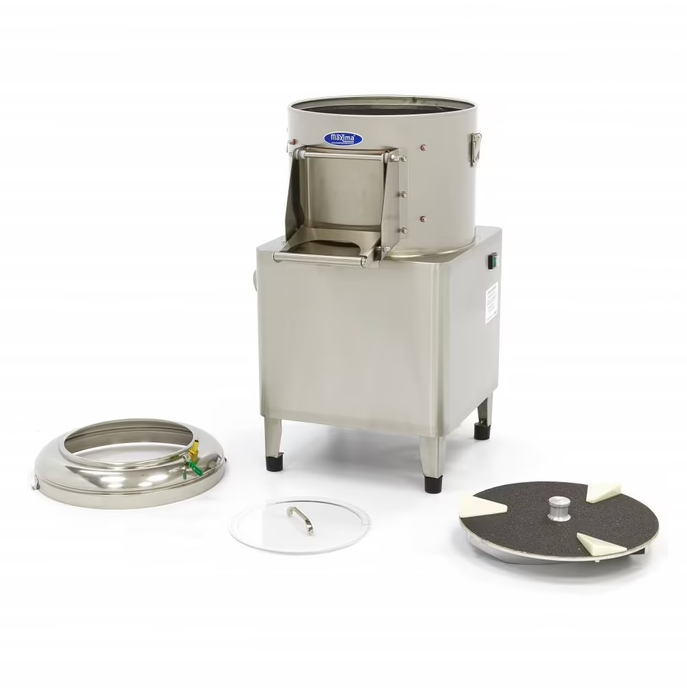
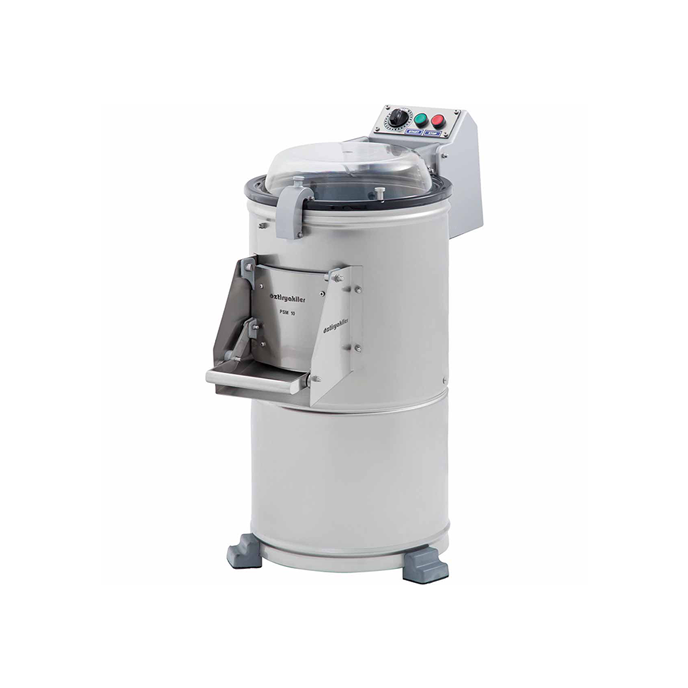
In the realm of food processing, particularly within potato processing plants, the efficiency and hygiene of washing equipment cannot be overstated. Large-capacity commercial potato washing machines play a pivotal role in ensuring that raw potatoes are adequately cleaned and prepared for subsequent processing stages.
Features of Large-Capacity Commercial Potato Washing Machines
These machines are designed with multiple features that not only enhance their functionality but also improve processing speed and effectiveness. Below is a breakdown of some essential characteristics:
- High Volume Processing: Capable of handling substantial quantities of potatoes simultaneously, these machines ensure that large batches can be processed efficiently, thereby reducing labor time and increasing output.
- Hygienic Design: Constructed from stainless steel or other non-corrosive materials, these washers are designed to meet stringent health standards, minimizing contamination risks during the washing process.
- Effective Cleaning Mechanisms: Employing various cleaning techniques such as brushing, spraying, and agitation, these machines effectively remove dirt, pesticides, and other residues from the surface of potatoes.
- Energy Efficiency: Modern potato washing machines utilize energy-efficient motors and water consumption strategies to optimize resource use while reducing operational costs.
Advantages in Food Processing Lines
Integrating large-capacity potato washing machines into food processing lines offers several advantages that impact both productivity and product quality. These benefits include:
- Streamlined Operations: With the ability to wash a significant volume of potatoes in a single cycle, processing lines become streamlined, allowing for faster transitions to peeling and cutting stages.
- Consistent Quality: Uniform washing results in cleaner potatoes that maintain quality throughout processing, which is crucial for end products being sold to consumers.
- Enhanced Worker Safety: Automated washing reduces the need for manual washing processes, consequently decreasing the risk of accidents and ergonomic injuries among workers.
Types of Potato Washing Machines
There are various configurations of potato washing machines available on the market, each tailored to specific processing needs. The following types are commonly used:
- Rotary Washers: Utilizing rotating brushes and water jets, rotary washers provide an effective cleaning solution ideal for large volumes.
- Vibrating Washers: These machines employ vibration to enhance the cleaning process, allowing dirt and debris to be dislodged more easily from the potatoes' surfaces.
- Bubble Washers: By creating bubbles through agitation, these machines gently lift away impurities without damaging the potatoes, making them suitable for delicate varieties.
Integration with Complete Processing Lines
When incorporated into Complete Processing Lines, large-capacity commercial potato washing machines complement other equipment such as potato peeling machines and Potato Cutting Machines. This integration is vital for achieving a seamless workflow:
- Pre-Peeling Preparation: Proper washing ensures that all soil and contaminants are removed before the peeling process, improving the efficiency of peeling machines.
- Post-Wash Handling: After washing, potatoes can be directly transferred to cutting machines, maintaining the cold chain and preventing spoilage.
Maintenance Considerations
To maximize the longevity and efficiency of large-capacity commercial potato washing machines, regular maintenance is essential. Businesses should focus on the following practices:
- Routine Cleaning: Regularly clean the machine’s interior and exterior to prevent residue buildup, which can hinder performance.
- Inspection of Components: Periodic checks on brushes, water pumps, and seals can help identify wear and tear before they lead to major malfunctions.
- Calibration: Ensure that water pressure and temperature settings are calibrated correctly to maintain optimal washing performance.
Conclusion
The deployment of large-capacity commercial potato washing machines within food processing lines represents a strategic investment that enhances productivity, safety, and product quality. As the demand for processed potato products continues to rise, optimizing washing processes through advanced machinery will become increasingly crucial for manufacturers aiming to remain competitive in the industry.