Introduction to Compact Peelers
The food processing industry constantly seeks innovations that can optimize efficiency without compromising quality. In this context, Compact Peelers have gained traction as essential tools for businesses operating in limited workspace environments.
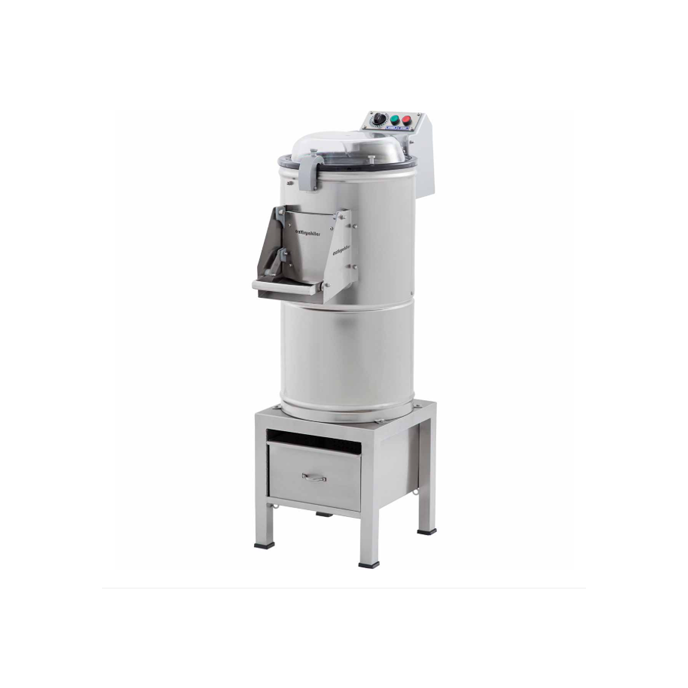
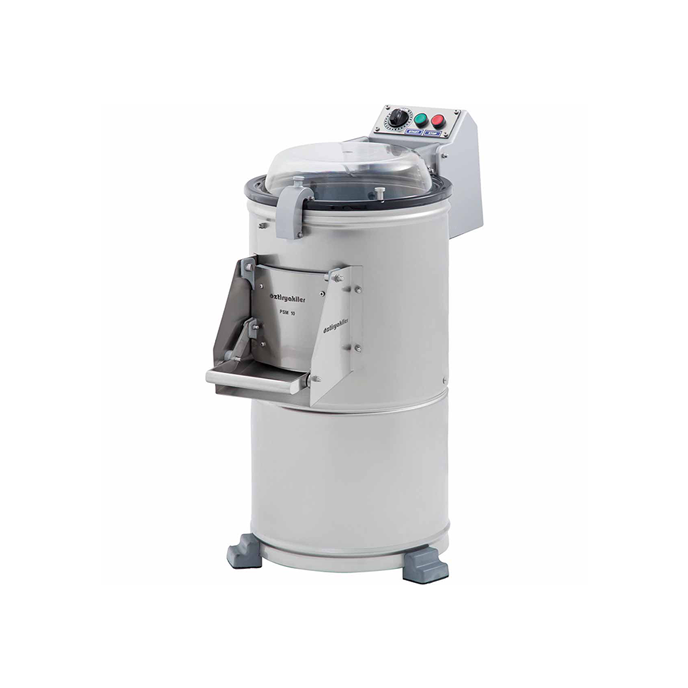
Characteristics of Efficient Automatic Compact Peelers
Automatic compact peelers are designed with several key features that distinguish them from traditional peeling machines:
- Space-Saving Design: These machines are engineered to occupy minimal floor space while maintaining high output capacity.
- Automation Efficiency: They often come equipped with advanced sensors and control systems, allowing for consistent operation and reduced manual labor.
- User-Friendly Interfaces: The interface typically enhances usability, enabling operators to easily adjust settings and monitor performance.
Performance and Output Quality
While the size of these peelers is compact, their performance does not falter. Many models deliver a peeling rate that is comparable to larger industrial machines. The ability to process various types of vegetables, particularly potatoes, efficiently makes these machines versatile assets in any kitchen or production line.
Applications in Limited Workspaces
Compact peelers are particularly beneficial in environments where space is at a premium. These include:
- Restaurants: Many establishments require quick preparation times without sacrificing quality; compact peelers facilitate this need effectively.
- Catering Services: Mobile catering units can significantly benefit from the portability and ease of use of compact machines.
- Small Food Processing Plants: For smaller operations looking to expand without substantial investment in larger machinery, these peelers provide an ideal solution.
Integration with Other Equipment
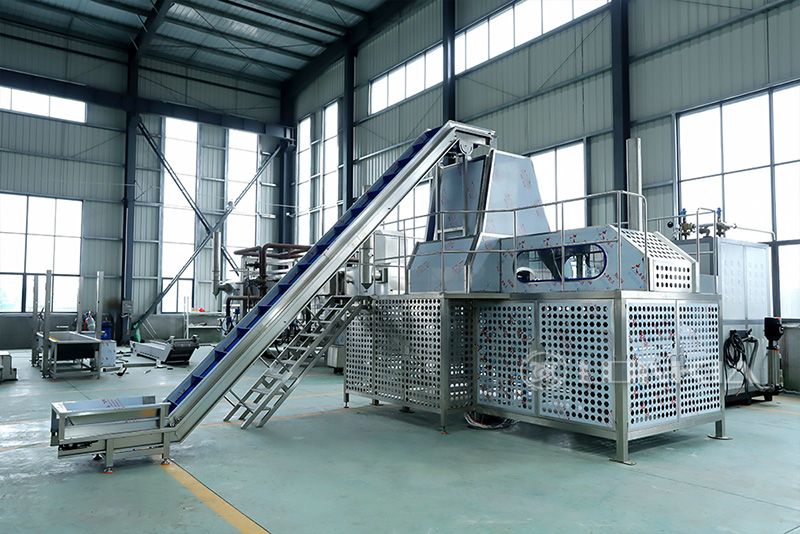
Moreover, compact peelers can seamlessly integrate with other machines such as potato washing machines and potato cutting machines. This integration fosters a more efficient workflow, transforming raw produce into prepared ingredients ready for cooking or packaging. Complete processing lines that include compact peelers allow businesses to streamline their operations significantly.
Choosing the Right Compact Peeler
When selecting a compact peeler, several factors should be considered to ensure it meets specific operational needs:
- Capacity: Evaluate how much produce needs to be processed daily to choose a model with adequate output.
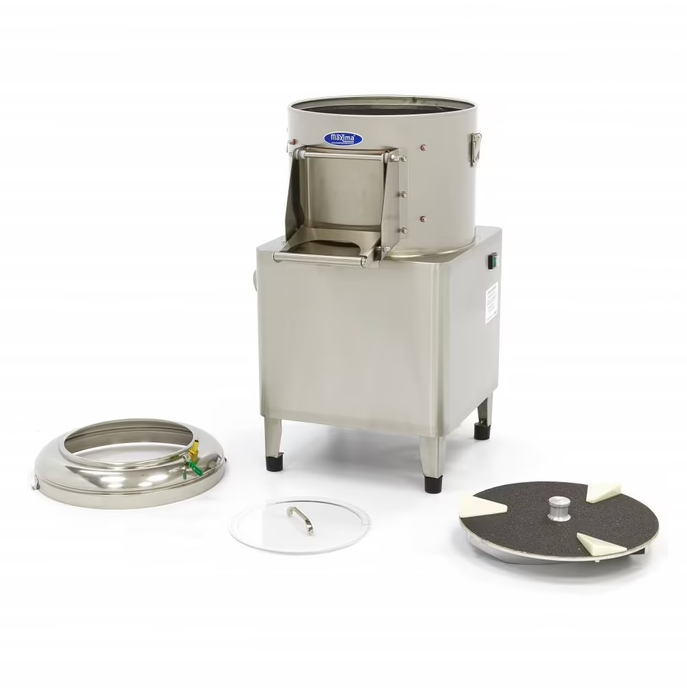
- Ease of Cleaning: Hygiene is critical in food processing; thus, the design should allow for easy disassembly and cleaning.
- Durability: Investing in a machine that can withstand rigorous use over time will ultimately save costs associated with repairs or replacements.
Benefits of Automation
The automation of compact peelers brings forth numerous advantages:
- Labor Savings: Reducing the need for manual labor allows staff to focus on more intricate tasks, enhancing overall productivity.
- Consistency: Automated systems minimize human error, ensuring that every batch of peeled produce meets the same high standards.
- Rapid Return on Investment: While upfront costs may seem significant, the efficiency gains translate to quicker payback periods.
Environmental Considerations
In light of increasing environmental concerns, many modern compact peelers also prioritize energy efficiency. Utilizing technologies that reduce power consumption not only lowers operational costs but also aligns with sustainable practices in food processing.
Concluding Thoughts on Compact Peelers
Efficient automatic compact peelers represent a significant advancement in food preparation technology, particularly for businesses constrained by space. With their ability to enhance productivity, ensure quality, and integrate with other food processing equipment, they have become indispensable tools in the culinary field. As the demand for space-efficient solutions grows, so too will the innovation surrounding these remarkable machines.