The Need for Efficient Potato Processing
In the realm of food processing, particularly within the potato industry, there is an increasing demand for efficiency and minimal waste generation. As producers seek to optimize their operations, the necessity for advanced machinery, such as automatic abrasive potato peeling machines, has become more apparent.
Understanding Automatic Abrasive Peeling Machines
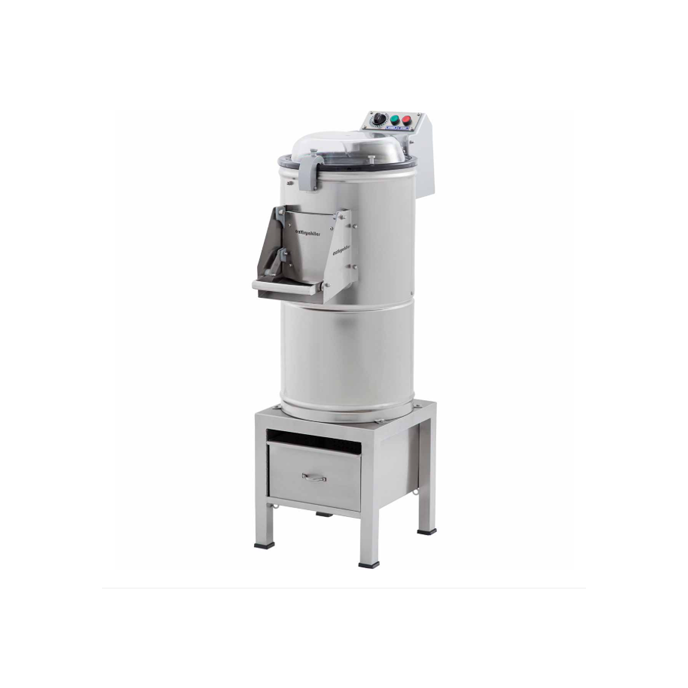
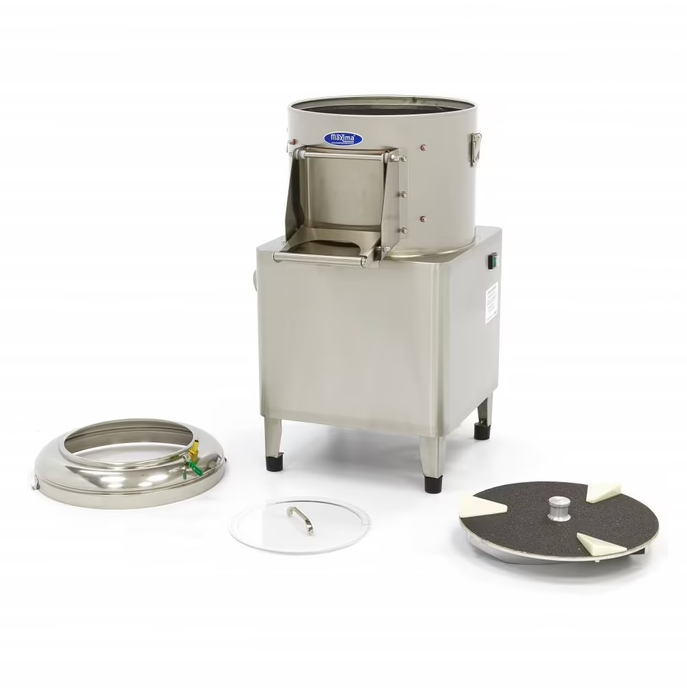
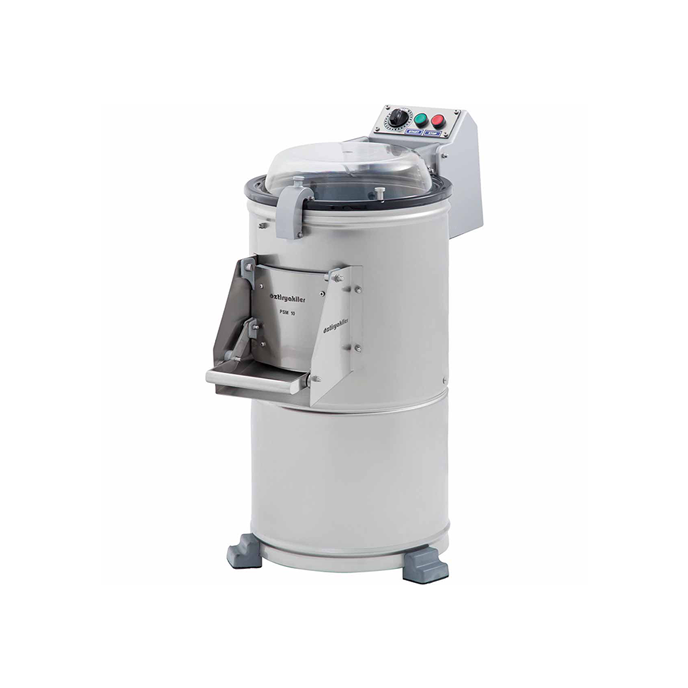
Automatic abrasive potato peeling machines utilize a revolutionary technique that incorporates both abrasion and controlled water flow to remove potato skins effectively. These machines are engineered to maximize yield while minimizing waste, thus making them indispensable in modern commercial kitchens and food processing facilities.
Mechanism of Operation
The operation of these machines hinges on several key components:
- Abrasion Surface: The primary feature is the abrasive surface that gently scrapes off the skin without damaging the flesh of the potato.
- Water Circulation: A steady flow of water assists in the peeling process, washing away the removed skins and any residual debris.
- Automated Controls: Many models come equipped with programmable settings, allowing operators to customize peeling times and intensities based on potato varieties.
Benefits of Low-Waste Production
One of the pivotal advantages offered by automatic abrasive potato peeling machines is their contribution to low-waste production practices. This not only enhances the sustainability of food processing but also positively impacts profitability.
Reduction of Potato Skin Waste
Unlike traditional peeling methods, which often result in significant losses, these machines ensure a higher proportion of the potato is retained for processing. By carefully controlling the abrasion level, wastage can be reduced to a mere fraction, thereby allowing processors to maximize their raw material usage.
Improved Efficiency and Productivity
Furthermore, the speed at which these machines operate considerably outpaces manual peeling efforts. This heightened efficiency translates into increased throughput, allowing businesses to meet growing consumer demands without compromising quality. In a competitive market, maintaining such standards can be crucial for success.
Integration with Complete Processing Lines
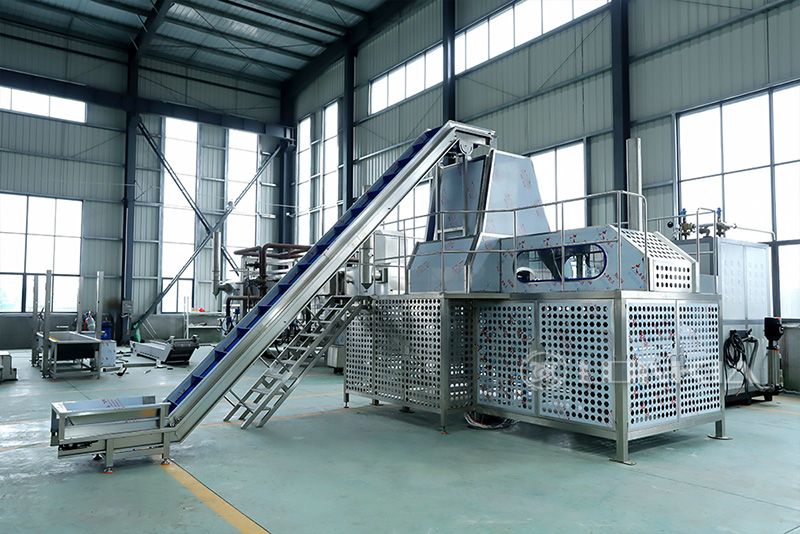
For businesses looking to streamline their operations, integrating automatic abrasive potato peeling machines into Complete Processing Lines can yield exceptional results. These lines often consist of multiple stages, including potato washing, peeling, cutting, and packaging.
Synergy with Other Equipment
When paired with potato washing machines and Potato Cutting Machines, the overall workflow is significantly enhanced. For instance, pre-washed potatoes enter the peeling stage free from contaminants, thereby reducing the likelihood of operational disruptions caused by dirt or residues. Additionally, the uniformity achieved through consistent peeling supports better slicing and cooking results.
Commercial Applications and Market Trends
The commercial viability of automatic abrasive potato peeling machines has seen a notable uptick, spurred by trends favoring convenience foods and ready-to-cook meals. As consumers increasingly gravitate towards pre-prepared options, manufacturers have adapted by investing in technologies that support efficient processing.
Market Demand and Adoption
Food service establishments, ranging from large-scale restaurants to food manufacturing plants, stand to benefit from adopting these machines. With the ability to peel large quantities of potatoes swiftly, businesses are not just able to cater to larger orders, but they also maintain a standard of freshness and taste that is paramount in the culinary world.
Conclusion: The Future of Potato Processing
As the food processing industry continues to evolve, the role of automatic abrasive potato peeling machines is expected to expand. With a focus on sustainability and efficiency, these innovations will undoubtedly shape the future of potato processing. Furthermore, as technology advances, improvements in design and functionality will likely enhance their effectiveness, ensuring that they remain a staple in both small-scale and industrial applications.